In a world that often feels fast and uncertain, being grateful has a remarkable power. It keeps us grounded, opens our hearts, and helps us find joy even in tough times. Gratitude is more than just saying “thank you.” It’s a deep, thoughtful recognition of the good in our lives. People have celebrated gratitude in different religions, discussed it in books, and it is increasingly seen as essential for a healthy society.
1. Gratitude in Religion: A Sacred Practice
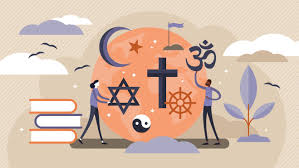
Most major world religions see gratitude not only as a good quality but as something spiritually important.
In Christianity, Gratitude is a major theme in both the Old and New Testaments.
Gratitude is seen as a response to God’s grace and blessings. Throughtout the Bible, Jesus gave thanks often—before meals, before miracles.
“Give thanks in all circumstances; for this is the will of God in Christ Jesus for you.” – 1 Thessalonians 5:18
Islam teaches shukr — thankfulness — as a way to acknowledge God’s constant mercy and presence. The Quran frequently reminds believers to be grateful: “If you are grateful, I will surely increase you [in favor]” (Quran 14:7/ Surat ‘Ibrāhīm). Here, gratitude becomes not just a feeling, but an active state of worship and mindfulness.
Gratitude is deeply embedded in Jewish daily life and prayers.
- The word “Jew” (Yehudi) comes from Yehudah, meaning “to give thanks.”
- Every morning, Jews say the Modeh Ani prayer: “I thank You, living and eternal King…”
- Many psalms are centered around thankfulness, especially King David’s writings.
Gratitude in Hinduism is tied to recognizing the divine presence in all things.
It’s expressed through puja (rituals), offerings, and devotion. Acknowledging what one has, and showing appreciation for nature, family, and the divine are key values. Scriptures like the Bhagavad Gita encourage thankfulness as a form of humility and self-realization.
2. Gratitude in Literature: The Human Heart Revealed

Literature, too, is rich with explorations of gratitude — often expressed in the quiet moments between characters, in reflections of hardship turned into wisdom, or in the humble acceptance of life’s gifts.
Victor Frankl, in his memoir Man’s Search for Meaning, writes from the depths of a concentration camp, yet still finds gratitude in the smallest signs of humanity — a sunset, a memory, a shared crust of bread. He shows that gratitude is not dependent on circumstance, but on perspective.
In modern literature, authors like Maya Angelou and Mary Oliver consistently infuse their work with gratitude — for nature, for resilience, for love — painting it not as naive optimism but as a radical act of attention.
3. Gratitude in Society: A Social Glue
Gratitude doesn’t only enrich individual lives — it strengthens communities. In a society driven by transaction and achievement, pausing to appreciate others fosters empathy, trust, and connection.
Studies in positive psychology show that grateful people are not only happier, but also more generous and resilient. Workplace cultures that promote appreciation tend to see greater collaboration and less burnout. In schools, children who practice gratitude are more empathetic and better able to handle challenges.
Gratitude has also become a cultural movement in response to the stress and materialism of modern life. From gratitude journals to social media challenges, people are discovering that saying “thank you” is not a small act — it’s a transformative one.
4. Gratitude as a Way of Being

Whether expressed in prayer, in prose, or in a simple gesture, gratitude invites us to live more fully. It helps us to remember what truly matters — not just what we have, but who we are and how we are connected.
So perhaps the invitation is this: to make gratitude not just a moment, but a mindset. To let it shape our prayers, our stories, our interactions. To see, even on the most ordinary of days, that life — with all its flaws and fragility — is worth thanking.
And you, what do you think about gratitude?
 Good Values
Leave a comment