Goals – Achievement
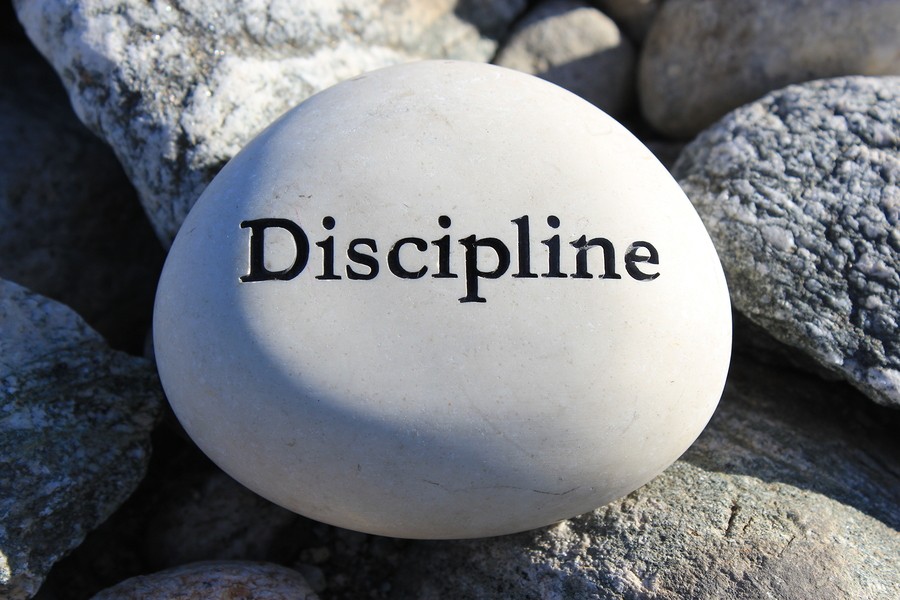
Discipline is one of those words that doesn’t sound exciting. It doesn’t sparkle like “passion” or shine like “inspiration.” But if you look closely at every story of success, whether in personal growth, career, sports, or art; discipline is always there, quietly working behind the scenes.
Discipline isn’t about being perfect. It’s about being consistent. It’s the decision to show up when motivation fades, to stick to a plan when distractions scream for attention, and to hold yourself accountable when no one else is watching.
What is discipline, really?
At its core, discipline is the ability to make choices based on long-term goals rather than short-term impulses. It’s what allows us to delay gratification, follow through on commitments, and pursue excellence over time.
Contrary to the misconception, discipline doesn’t mean living a life of rigidity or self-denial. It means creating structure that gives you freedom; freedom to create, to grow, and to become the best version of yourself. Like they say :“Discipline is the silent architect behind every masterpiece.”
Why do we struggle with discipline?
We live in an age of instant everything : instant entertainment, instant feedback, instant gratification. In such an environment, developing discipline can feel like swimming upstream. It requires patience, clarity, and endurance.
We often fall into the trap of waiting to feel “motivated” to take action. But the truth is: discipline is what carries us through when motivation runs out. The more we act with discipline, the more we build habits, and the easier things become over time.
How to build discipline in daily life?
Discipline isn’t something we’re born with, it’s something you build, like a muscle. Here are a few practical steps:
- Start small and build gradually : begin with one habit: waking up early, exercising, writing, or meditating. Small wins build momentum.
- Create routines : structure reduces the number of decisions you have to make, preserving energy for the tasks that matter.
- Remove temptations : discipline doesn’t mean relying on willpower alone. Make it easier to stay on track by controlling your environment.
- Track progress : what gets measured gets managed. Seeing your own consistency motivates you to keep going.
- Be kind to yourself : discipline doesn’t mean being harsh. It means being committed, even when you stumble. Progress, not perfection.
The long-term rewards of discipline
Discipline compounds. The effort you make today may not pay off immediately, but over time, it transforms your life. Whether you’re trying to build a business, write a book, improve your health, or deepen your relationships; discipline lays the foundation for sustainable growth.
People often admire the results of discipline : confidence, success, strength but few talk about the quiet, persistent process behind it. The early mornings. The repeated failures. The effort no one applauds. That’s where discipline lives.
Takeaways : Discipline is Self-Respect in action
Discipline isn’t just about goals. It’s about identity. Every time you keep a promise to yourself, you reinforce the belief that you are capable, trustworthy, and in control of your own life. So when the motivation fades, when the path gets hard, when the progress is slow, return to discipline. Not as a burden, but as a form of respect for your potential.
 Good Values
Leave a comment