In a fast-paced, ever-evolving world, trust remains one of the most essential values we can cultivate. Whether it’s within personal relationships, professional environments, or society as a whole, trust is what allows human connection to thrive.
What is trust?
Trust is more than just expecting someone to follow through. It’s the belief that a person will act with honesty, integrity, and care, even when no one is watching. It’s about reliability and vulnerability, risk and reassurance. Trust is what allows people to feel safe, respected, and seen.
The cost of broken trust

Trust isn’t given lightly; and once broken, it’s difficult to rebuild. That’s what makes it such a vital and powerful force in our lives. Whether you’re confiding a secret, relying on someone to fulfil a promise, or allowing yourself to be led. That risk is what makes trust so powerful and so valuable.
Lies, betrayal, inconsistency, or even poor communication can fracture it. And the consequences can be far-reaching: strained families, lost business, fractured communities.
🔍 Insight from Thinkers & Writers
Philosophers and modern authors offer timeless reflections:
- “Trust is the glue of life. It’s the most essential ingredient in effective communication. It’s the foundational principle that holds all relationships.” – Stephen R. Covey
- “The best way to find out if you can trust somebody is to trust them.” – Ernest Hemingway
- “To be trusted is a greater compliment than being loved.” – George MacDonald
- “It takes 20 years to build a reputation and five minutes to ruin it.” – Warren Buffett
- “I’m not upset that you lied to me, I’m upset that from now on I can’t believe you.” – Friedrich Nietzsche
Personal takeaways
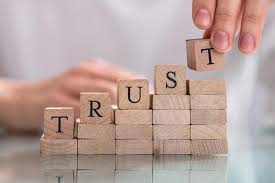
Building or rebuilding trust requires humility, time, transparency, and a consistent track record of trustworthy behaviour.
- Be consistent: small actions, done reliably over time, build a strong foundation.
- Speak honestly: say what you mean and mean what you say, even when it’s difficult.
- Act transparently: open communication prevents suspicion and fosters confidence.
- Own your mistakes: accountability is not weakness, it’s a sign of character.
- Practice empathy: understand others’ perspectives. Listen more than you speak.
Trust isn’t flashy. It doesn’t demand attention. But it shapes everything. How we relate to others, how we lead, how we live. It’s not built overnight, and it can’t be bought. But when nurtured, it becomes one of the most valuable assets we have.
At home, at work, and in our communities, trust is the foundation upon which strong, meaningful relationships are built. Let’s protect it – and practice it – with care.


 Good Values
Leave a reply to Stephane Didier Cancel reply